METHODS OF CHARACTER CREATION I
What are the characters and why do they matter in Narrative Design?
September, 2020 | Approx. 3 min read

Cyberpunk 2077 (CD Projekt RED, 2020)
What are the characters in a story?
Characters are the emotional and functional engine of any story. Beyond the empathetic bond the audience may form with them, it is their decisions, conflicts, and transformations that drive the plot forward and give it meaning. This is true in traditional media such as film or literature, but also —and increasingly— in video games.
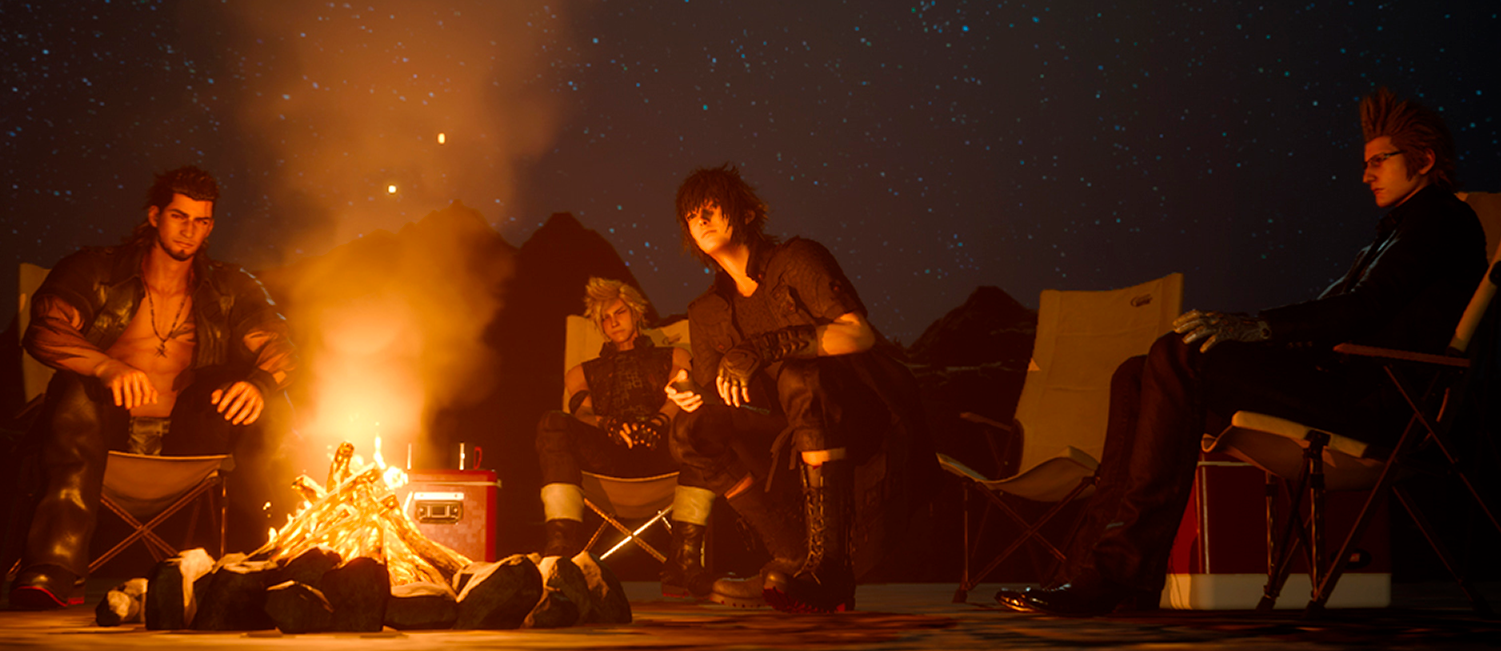
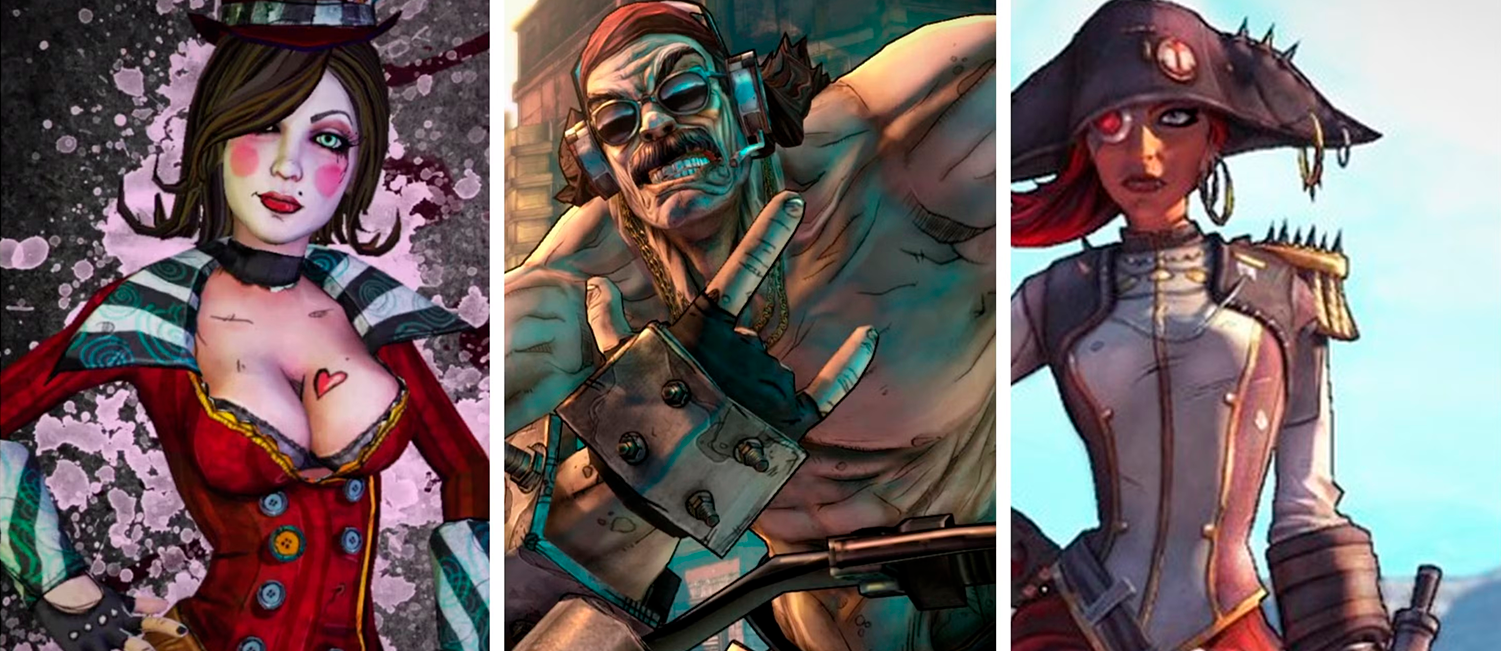
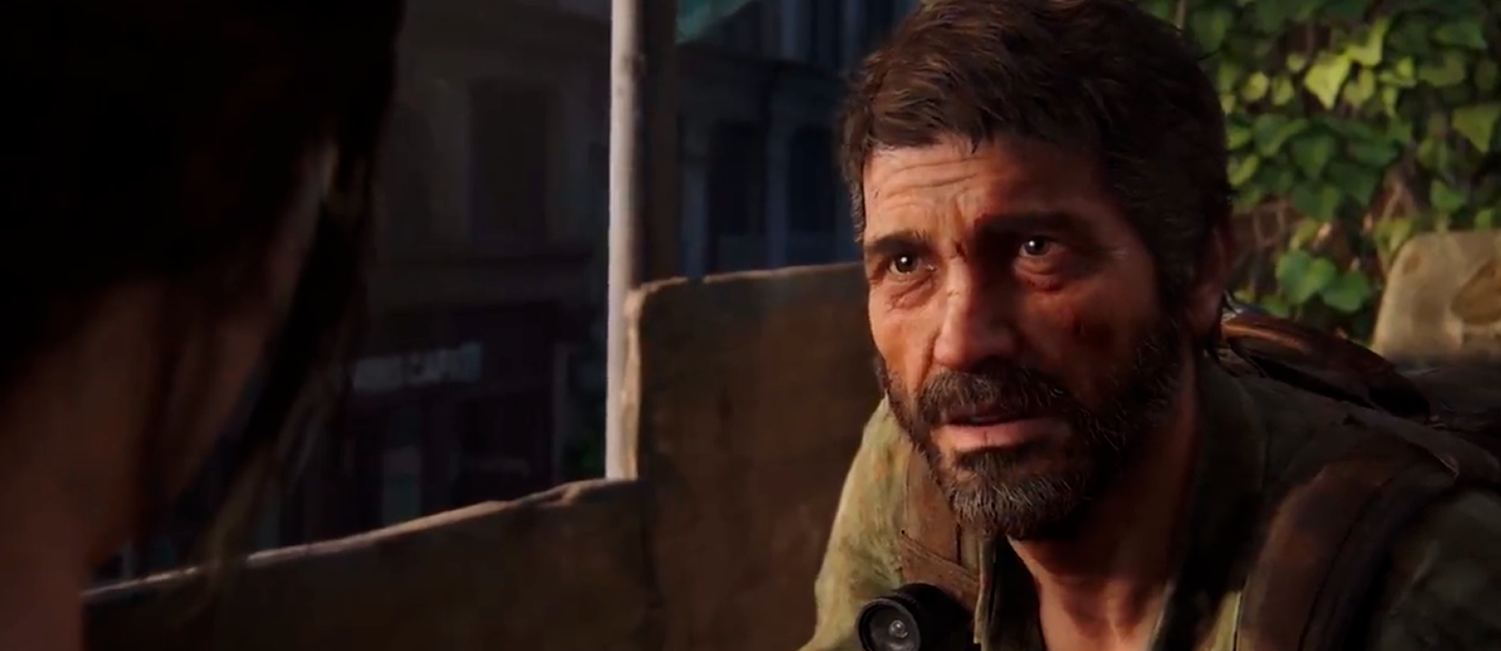
In any video game, whether linear or open-world, the player moves through a virtual environment that needs to feel inhabited. Whether it’s the post-apocalyptic Boston of The Last of Us (Naughty Dog, 2013), the kingdom of Lucis in Final Fantasy XV (Square Enix, 2016), or the chaotic planet Pandora in Borderlands 2 (Gearbox Software, 2012), these worlds require actors who not only populate them but also bring them to life and push the narrative forward.
Types of characters in video games
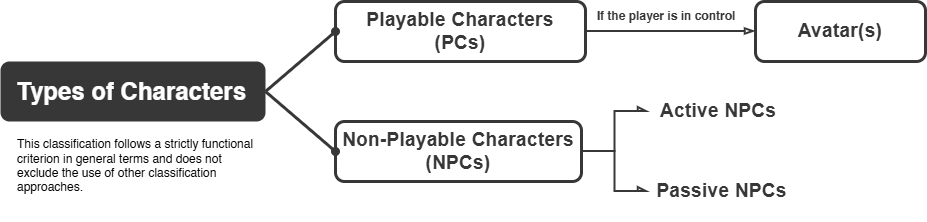
In general terms, we can distinguish two major categories:
- Playable Characters (PCs): The player has direct control over them, turning them into their avatar within the game world.
- Non-Playable Characters (NPCs): They can be allies, enemies, or
simple inhabitants of the environment. Within this group, it is common to find:
- Active NPCs, with AI and more complex behaviors.
- Passive NPCs, who serve environmental functions and usually follow simple, repetitive routines.
Why even “minor” characters need to be well constructed?
Although players understand that a video game represents reality in a stylized way, immersion breaks when characters behave incoherently or too mechanically. However, building a good character does not necessarily mean giving them a deep backstory. It is more about assigning the right narrative traits according to their function in the gameplay.
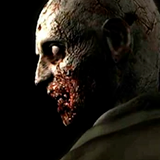
A clear example appears in Wolfenstein II: The New Colossus (MachineGames, 2017). The Nazi soldiers the protagonist fights are cloned enemies whose only purpose is to die. They don’t need emotional arcs or tragic pasts, but they do need to be coherent: if they are Nazi soldiers, they should speak German. This seemingly small detail reinforces immersion and helps differentiate the game from other shooters.
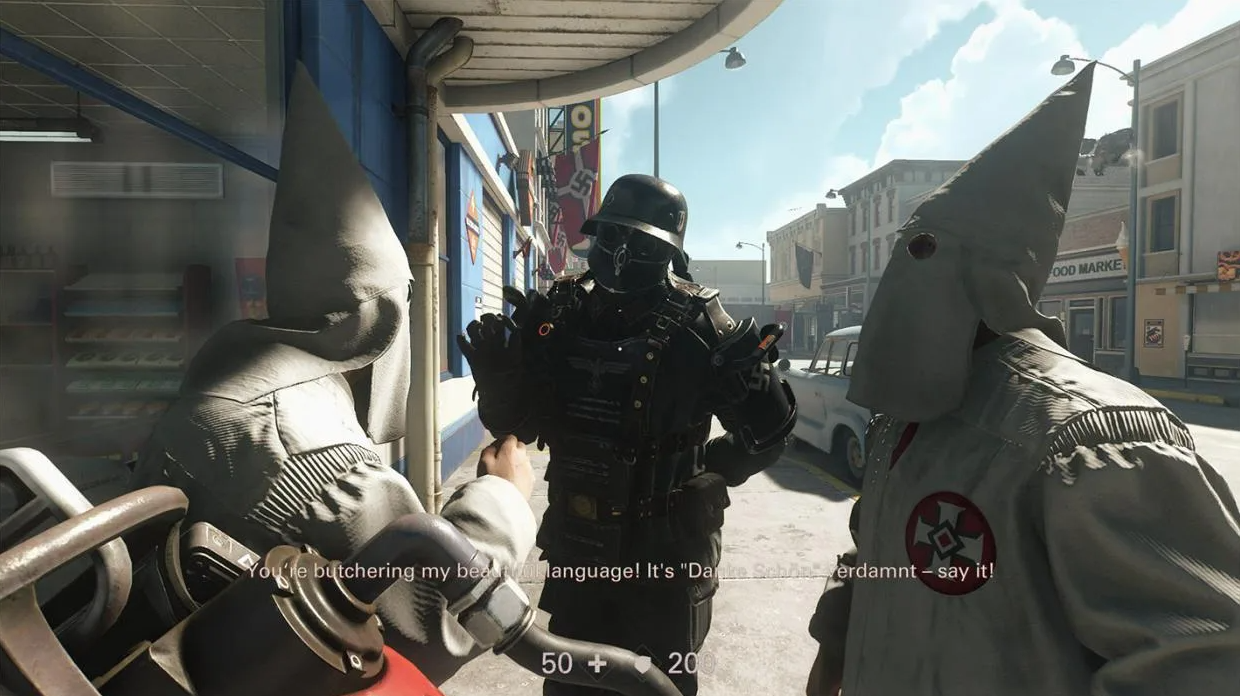
Wolfenstein II: The New Colossus (MachineGames, 2017)
The narrative designer’s challenge
When dealing with characters who are truly relevant to the story, assigning them a language or a functional role is not enough. Creating compelling characters is essential because they are the primary anchor for player engagement. If players connect with them (emotionally, morally, or even through conflict) they become invested in the story that surrounds them. A well‑constructed character can elevate the narrative, strengthen immersion, and give meaning to the player’s actions within the game world. This leads to the central question that guides this series of articles:
This first installment has laid the groundwork: what we mean by “character” in the context of narrative design, and why their construction matters even when their role is minimal.
A look at what’s coming next...
In the following entries, we will explore four (4) different methods of character construction, each with its own logic and very different applications within narrative design. These will be the focus of the series:
- The Four Hippocratic Temperaments: A classical system that categorizes people according to their temperament —choleric, sanguine, phlegmatic, and melancholic— and which, surprisingly, remains a useful tool for defining behaviors and dynamics between characters.
- Jung’s 8 Personality Types: A psychological framework that helps explain how characters perceive the world and how they make decisions. It is especially useful for designing coherent internal motivations and contrasts within a cast.
- The Archetypes of the Monomyth: Based on the structure of the “hero’s journey,” these archetypes allow you to place each character within a clear narrative function: mentor, threshold guardian, herald, shadow… A powerful way to understand the role they play in the story.
- Kodaka’s Method: A more contemporary and unconventional approach, presented by Kazutaka Kodaka at GDC 2015. His technique starts by combining contradictory traits to create memorable, unpredictable, and nuanced characters. It is one of my favorite methods due to its freshness and direct applicability to narrative design.